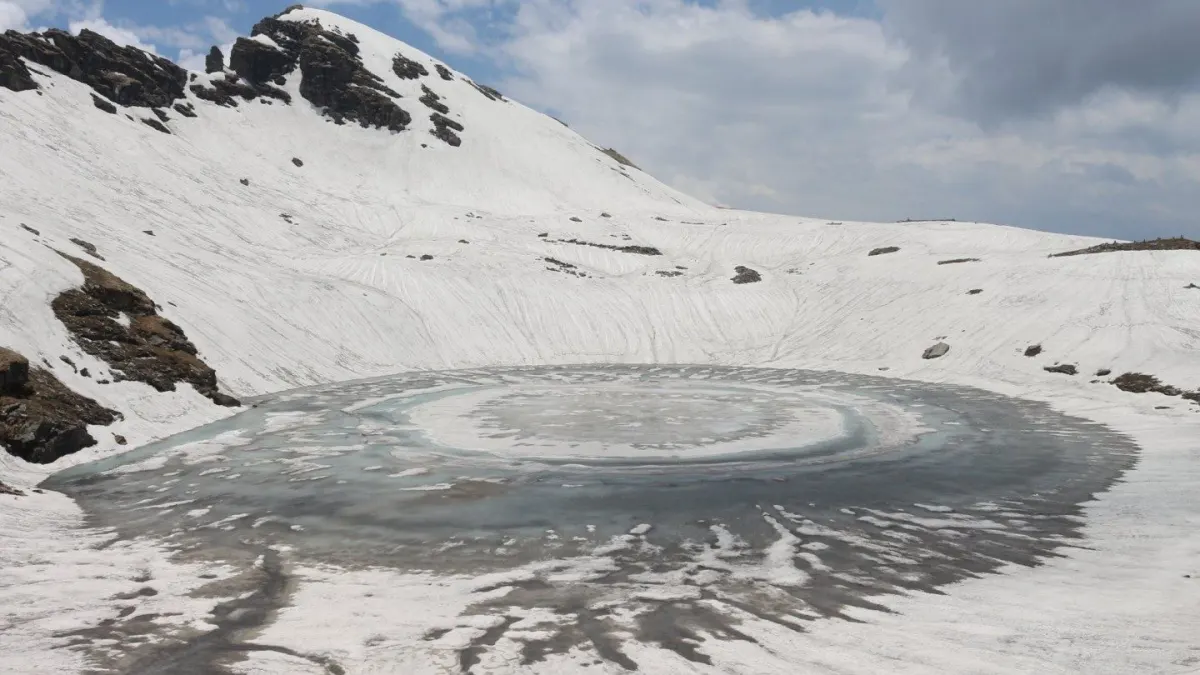

⭐ Featured Snippet: Bhrigu Lake is a sacred high-altitude alpine lake located at 4,300 metres (14,100 feet) above sea level in the Kullu district of Himachal Pradesh, India. Nestled in the lap of the Himalayas above Manali, the Bhrigu Lake trek is one of the most popular short treks in India — ideal for beginners and seasoned trekkers alike. The lake is revered by Hindus as the bathing spot of Sage Bhrigu and is accessible via a 2–3 day trek from Gulaba or Vashisht.
Bhrigu Lake: A Complete Guide for Trekkers
Tucked away in the stunning Kullu Valley of Himachal Pradesh, Bhrigu Lake is one of the crown jewels of the Indian Himalayas. Often called 'the lake of the gods,' Bhrigu Lake sits at a breathtaking altitude of 4,300 metres (14,100 ft) above sea level, offering panoramic views of some of the mightiest Himalayan and Dhauladhar peaks. At Himalayan Frontiers, we have been guiding trekkers to Bhrigu Lake for years, and we can say without hesitation: this is one trek every mountain lover must experience at least once in their lifetime.
Whether you are a first-time trekker from Delhi or a seasoned Himalayan adventurer, the Bhrigu Lake trek offers a unique blend of spiritual significance, dramatic landscapes, rolling meadows, and a sense of achievement that few treks in India can rival. In this comprehensive guide, we cover everything you need to know about the Bhrigu Lake trek — from how to reach Bhrigu Lake and the best time to visit, to itinerary details, packing lists, costs, and safety tips.
1. What is Bhrigu Lake? History, Legend & Significance
Bhrigu Lake is a high-altitude alpine lake located in the Kullu district of Himachal Pradesh, India, approximately 6 kilometres from the town of Gulaba and about 20 kilometres from Manali. The lake lies at an elevation of approximately 4,300 metres (14,100 feet) and remains frozen for a large part of the year, typically from November through May.
The Legend of Sage Bhrigu
The lake derives its name from the revered Hindu sage, Maharishi Bhrigu, one of the Saptarishis (seven great sages) mentioned in the Vedas. According to local legend and Hindu mythology, Sage Bhrigu himself used to bathe in the icy waters of Bhrigu Lake. It is believed that a dip in the holy waters of Bhrigu Lake can cleanse a devotee of all sins. Even today, devout Hindus make the arduous pilgrimage to Bhrigu Lake to offer prayers and take a ritual dip, considering it as sacred as a dip in the Ganges.
The lake is also said to have been used by several Hindu gods for bathing, which is why it is sometimes called 'the lake of the gods.' This spiritual heritage adds a profound dimension to the Bhrigu Lake trek — it is not merely a physical adventure, but a journey steeped in Himalayan mythology and culture.
Geographical Overview
Bhrigu Lake is part of the Kullu Valley ecosystem and lies above the tree line in the alpine zone. The lake basin is fed by glacial meltwater and snowfall. The surrounding terrain consists of sweeping meadows locally known as 'thatch,' rocky moraines, and ridgelines that offer panoramic views of iconic Himalayan peaks including Hanuman Tibba (5,982 m), Deo Tibba (6,001 m), Seven Sisters peaks, and on clear days, even the Pir Panjal range.
2. Bhrigu Lake Trek Overview
The Bhrigu Lake trek is widely regarded as one of the best beginner-friendly high-altitude treks in India, and rightly so. Here is a quick snapshot of the trek:
Trek Name: Bhrigu Lake Trek
Location: Kullu District, Himachal Pradesh, India
Nearest City: Manali (20 km from the trailhead)
Starting Point: Gulaba or Vashisht (Manali)
Bhrigu Lake Altitude: 4,300 metres (14,108 feet)
Trek Duration: 3 to 4 days (depending on starting point)
Trek Distance: Approximately 22–26 km (round trip)
Difficulty Level: Easy to Moderate
Best Time to Visit Bhrigu Lake: June to October
Trek Type: Out and back
Permits Required: Inner Line Permit (for certain zones)
Maximum Altitude Gain in a Day: ~800 metres
The Bhrigu Lake trek is perfect for those who want to experience a genuine Himalayan high-altitude lake without the demands of a multi-week expedition. Despite being relatively short, the Bhrigu Lake trek punches well above its weight in terms of scenic grandeur and cultural richness.
3. Best Time to Visit Bhrigu Lake
One of the most frequently asked questions we receive at Himalayan Frontiers is: 'When is the best time to trek to Bhrigu Lake?' The answer depends on what kind of experience you are looking for.
June – July: Blooming Meadows & Snow Edges
June and July are arguably the finest months to visit Bhrigu Lake. The meadows around Bhrigu Lake — particularly the vast grasslands of Rola Khuli and Pandu Ropa — are carpeted with wildflowers including blue poppies, primulas, violets, and edelweiss. Snow still lingers around the lake's edges in early June, making for spectacular photographs. The skies are generally clear, offering excellent views of the surrounding peaks. This is the peak season for the Bhrigu Lake trek, and slots fill up fast — so book your Bhrigu Lake trek package with Himalayan Frontiers in advance.
August – September: Monsoon Magic
The monsoon season brings lush greenery to the Kullu Valley, and while Manali receives less rainfall than the rest of the Himalayan foothills, trekking to Bhrigu Lake in August requires some caution due to slippery trails and occasional landslides on the approach roads. However, September is a wonderful month — the monsoon retreats, the air is crystal clear, and the meadows are at their greenest. Bhrigu Lake in September is a trekker's paradise.
October: Autumn Gold & Crystal Skies
October is a hidden gem for the Bhrigu Lake trek. The autumn colours transform the hillsides, the skies are impossibly blue, and the crowds thin out considerably. Temperatures drop sharply at night, and snow may dust the higher ridges, making for some extraordinary views. This is our top recommendation at Himalayan Frontiers for those seeking solitude and clear mountain vistas.
November – May: Closed Season
The Bhrigu Lake trek is generally inaccessible from November to late May due to heavy snowfall. The lake itself remains completely frozen, and the trails become hazardous without proper mountaineering equipment. We do not recommend attempting the Bhrigu Lake trek in winter without professional Himalayan guides and specialised gear.
💡 Himalayan Frontiers Tip: For the absolute best Bhrigu Lake experience, target the last week of September or first week of October. You get autumn colours, clear skies, no crowds, and a frozen lake edge — it's unforgettable.
4. Bhrigu Lake Trek Itinerary: Day-by-Day Guide
At Himalayan Frontiers, we offer both 3-day and 4-day Bhrigu Lake trek itineraries. Below is our recommended 3-day Bhrigu Lake trek itinerary starting from Manali:
Day 0: Arrival in Manali
Most trekkers arrive in Manali from Delhi by overnight Volvo bus (approximately 14–15 hours) or by flight to Bhuntar Airport followed by a 2-hour taxi to Manali. We recommend arriving in Manali a day before the trek begins to acclimatise to the altitude (~2,050 m). Manali itself is a stunning hill town with the Beas River, the Old Manali bazaar, Hadimba Temple, and the hot springs of Vashisht worth exploring. Our team at Himalayan Frontiers will brief you on the Bhrigu Lake trek, check your gear, and answer any questions.
Day 1: Manali / Gulaba to Rola Khuli (3,500 m)
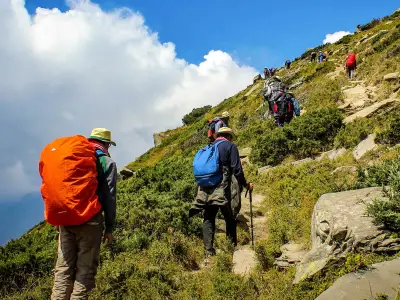
The first day of the Bhrigu Lake trek begins with a drive from Manali to Gulaba (approximately 20 km, 45 minutes) on the Manali–Leh Highway. From Gulaba, the trail begins through dense forests of oak and deodar cedar before opening out into alpine meadows. The campsite at Rola Khuli sits at approximately 3,500 metres and offers your first expansive views of the Kullu Valley and the surrounding peaks. Trek distance: ~6 km. Altitude gain: ~1,450 m. Time: 4–5 hours.
Day 2: Rola Khuli to Bhrigu Lake (4,300 m) and Back to Pandu Ropa
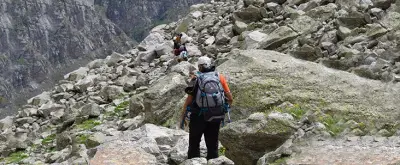
This is the highlight day of the entire Bhrigu Lake trek. An early alpine start (around 5:30 AM) is essential. The trail climbs steadily through vast rolling meadows, past glacial streams, and over rocky terrain to the rim of Bhrigu Lake. Your first glimpse of Bhrigu Lake — the brilliant turquoise water (or snow-covered ice, depending on the season) nestled in a rocky bowl beneath the high ridges — is a moment you will never forget. Spend time at the lake, soak in the panoramic views, and enjoy a packed lunch before descending to the lower campsite at Pandu Ropa (3,700 m). Trek distance: ~12 km (round trip to lake). Altitude: up to 4,300 m.
Day 3: Pandu Ropa to Vashisht / Manali
The final day of the Bhrigu Lake trek is a gradual descent through beautiful meadows back to the Manali–Leh Highway, from where you are driven back to Manali. Celebrate the completion of your Bhrigu Lake trek with a hot meal in Old Manali and soak in the satisfaction of having stood at the edge of one of Himachal Pradesh's most sacred high-altitude lakes. Trek distance: ~8 km. Time: 3–4 hours.
5. How to Reach Bhrigu Lake
Reaching Bhrigu Lake involves first getting to Manali, and then accessing the trailhead. Here is a complete breakdown:
By Air
The nearest airport to Bhrigu Lake is Bhuntar Airport (Kullu–Manali Airport), located approximately 50 km from Manali. From Bhuntar, taxis and shared cabs run regularly to Manali (1.5–2 hours). Flights connect Bhuntar to Delhi, Chandigarh, and Mumbai. During peak trekking season, book flights well in advance.
By Train
The nearest major railway station is at Jogindernagar (3 hours from Manali) or Chandigarh / Kalka (8–9 hours from Manali). From Chandigarh, government and private buses ply to Manali regularly. Alternatively, take the Himalayan Queen toy train from Kalka to Shimla and then connect by road to Manali via the Jalori Pass route.
By Road
Manali is excellently connected by road from Delhi (540 km, 12–14 hours by bus or car), Chandigarh (310 km, 7–8 hours), and Shimla (270 km, 8–10 hours). HRTC (Himachal Road Transport Corporation) operates daily Volvo and semi-deluxe buses from Delhi's ISBT Kashmiri Gate to Manali. From Manali, the Bhrigu Lake trailhead at Gulaba is a short 20 km drive on the Manali–Leh Highway.
6. Bhrigu Lake Trek Difficulty & Fitness Requirements
The Bhrigu Lake trek is classified as 'Easy to Moderate' — one of the most accessible high-altitude treks in the Indian Himalayas. However, do not let this classification lull you into complacency. At 4,300 metres, Bhrigu Lake sits well within the altitude zone where Acute Mountain Sickness (AMS) can affect even fit individuals.
Who Can Do the Bhrigu Lake Trek?
The Bhrigu Lake trek is suitable for:
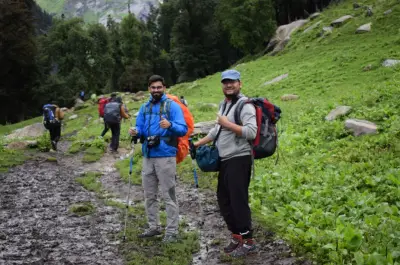
First-time trekkers with basic physical fitness
Families with children above 12 years of age
Corporate groups and team-building trips
Photographers and nature enthusiasts
Pilgrims seeking to visit the sacred Bhrigu Lake
Experienced trekkers looking for a weekend getaway
Fitness Preparation for Bhrigu Lake
We recommend that those planning the Bhrigu Lake trek prepare by jogging or brisk walking 5–8 km per day for at least 4–6 weeks before the trek. Stair climbing is excellent training for the altitude gain involved. Yoga and breathing exercises also help significantly with acclimatisation on the Bhrigu Lake trail.
7. What to Pack for the Bhrigu Lake Trek: Complete Packing List
Packing right is half the battle won on any Himalayan trek. For the Bhrigu Lake trek, here is what the experts at Himalayan Frontiers recommend:
Clothing
Moisture-wicking base layers (2 sets)
Fleece mid-layer or down jacket
Waterproof and windproof outer shell jacket
Trekking trousers (avoid denim)
Warm gloves and a woollen cap / balaclava
Thick trekking socks (3 pairs minimum)
Sun hat or cap
Sunglasses with UV protection
Footwear
Sturdy, ankle-supporting trekking boots (broken in before the trek)
Camp sandals / flip flops
Gaiters (useful in snow — especially in June)
Gear & Equipment
Trekking poles (highly recommended for knee support)
Rucksack 45–55 litres with rain cover
Sleeping bag rated to -10°C or lower
Headlamp with extra batteries
Microspikes or crampons (for early season snow)
Trekking map / offline GPS app
First Aid & Medication
Diamox (acetazolamide) — for altitude sickness prevention (consult your doctor)
Ibuprofen and paracetamol
Blister plasters and moleskin
ORS packets for rehydration
Sunscreen SPF 50+ and lip balm with SPF
⚠️ Himalayan Frontiers Safety Note: Never take altitude lightly. If you experience persistent headache, nausea, vomiting, or breathlessness that does not improve with rest at Bhrigu Lake altitude, descend immediately. Our guides are trained in wilderness first aid and carry portable pulse oximeters and emergency oxygen.
8. Bhrigu Lake Trek Cost & Packages
One of the most searched queries for Bhrigu Lake is the cost of the trek. At Himalayan Frontiers, we believe in complete transparency with no hidden charges. Here is a general breakdown:
What's Typically Included in a Bhrigu Lake Trek Package
Professional, certified Himalayan trek guide fluent in Hindi and English
All camping equipment: sleeping tents, dining tent, kitchen tent
All meals during the trek (breakfast, lunch, dinner, evening snacks)
Qualified trek cook with hygienic meal preparation
First aid kit, pulse oximeters, and emergency evacuation support
Permits and forest fees
Transport from Manali to trailhead and back
What's Generally Not Included
Travel to and from Manali
Personal trekking gear and clothing
Travel insurance (strongly recommended)
Porter charges for personal luggage (above 10 kg)
Tips for guides and support staff (appreciated but optional)
For the most current and personalised Bhrigu Lake trek pricing, contact the Himalayan Frontiers team directly. We offer group discounts for parties of 6 or more, and special rates for students and solo travellers.
9. Flora, Fauna & Natural Wonders Around Bhrigu Lake
The Bhrigu Lake trek passes through some of the most biodiverse zones in Himachal Pradesh. The changing ecological zones as you ascend from Manali to Bhrigu Lake are nothing short of spectacular.
Flora
The lower section of the Bhrigu Lake trail passes through dense forests of Himalayan cedar (deodar), blue pine, and oak. As you ascend above the tree line (~3,200 m), the vegetation transitions to alpine meadows bursting with wildflowers in summer: blue Himalayan poppies (Meconopsis aculeata), primulas, wild strawberries, yarrow, and dwarf rhododendrons create a riot of colour. Near the shores of Bhrigu Lake, mosses and lichen cling to the rocks, and delicate alpine flora push through the thin soil.
Fauna
The Bhrigu Lake region is home to a remarkable array of Himalayan wildlife. Lucky trekkers may spot Himalayan marmots sunbathing on rocky outcrops near the lake — they are remarkably tame and a perennial favourite with photographers. Snow leopards (Panthera uncia) inhabit the higher reaches, though sightings are extremely rare. Himalayan tahr (wild goats), Barking deer, and red fox are also residents of this zone. The skies above Bhrigu Lake are patrolled by lammergeiers (bearded vultures), golden eagles, and mountain choughs.
10. Photography Guide: Capturing Bhrigu Lake at Its Best
Bhrigu Lake is an extraordinarily photogenic destination, and we are often asked by trekker-photographers what to expect and how to get the best shots. Here are some insider tips from our Himalayan Frontiers guides:
Arrive at Bhrigu Lake at sunrise for golden hour light on the surrounding peaks and the still waters of the lake — the reflections are extraordinary
In June and early July, the snow patches around Bhrigu Lake contrast beautifully with the emerald meadows — carry a circular polarising filter to cut glare
The rolling meadows between Rola Khuli and Bhrigu Lake offer exceptional foreground interest for wide-angle landscape shots
Himalayan marmots near Bhrigu Lake are cooperative subjects — a 70–200 mm telephoto lens will give you frame-filling portraits
On clear days from the Bhrigu Lake ridgeline, you can photograph the entire Kullu Valley — a classic composition
For astrophotography, Bhrigu Lake's high altitude and distance from light pollution make it one of the finest spots in Himachal Pradesh for Milky Way photography
11. Responsible Trekking at Bhrigu Lake: Leave No Trace
At Himalayan Frontiers, responsible and sustainable tourism is at the heart of everything we do. Bhrigu Lake is a fragile alpine ecosystem, and the increasing popularity of the Bhrigu Lake trek means that environmental pressure on the trail and the lake is growing. We ask every trekker who visits Bhrigu Lake to commit to the following principles:
Carry all waste out of the Bhrigu Lake zone — absolutely no littering on the trail or near the lake
Do not disturb the wildlife, including marmots and birds near Bhrigu Lake
Use biodegradable toiletry products near water sources
Do not pluck flowers or disturb alpine vegetation — especially the rare blue poppy near Bhrigu Lake
Camp only at designated campsites to prevent damage to meadows
Respect the religious and cultural significance of Bhrigu Lake — loud music and alcohol are inappropriate near the lake
Support local Himachali guides, porters, and cooks — choose locally operated trek companies like Himalayan Frontiers
🌿 Our Commitment: Himalayan Frontiers follows strict Leave No Trace (LNT) protocols on all our Bhrigu Lake treks. We conduct regular trail clean-up drives and work with local communities around Manali to promote sustainable Himalayan tourism.
12. Bhrigu Lake vs Other Manali Treks: How Does It Compare?
Manali and the surrounding Kullu Valley are home to some of the finest trekking routes in India. Here is how the Bhrigu Lake trek stacks up against other popular Manali treks:
Bhrigu Lake vs Hampta Pass Trek
The Hampta Pass trek (4,270 m) is another iconic Manali trek, but it is a cross-pass route that involves a longer commitment (5–6 days) and more technical terrain. Bhrigu Lake is shorter and more accessible, making it a better first Himalayan trek. However, Hampta Pass offers the dramatic contrast of crossing from the lush Kullu Valley to the barren Lahaul landscape — something Bhrigu Lake cannot match. For first-timers, we recommend starting with Bhrigu Lake and graduating to Hampta Pass.
Bhrigu Lake vs Beas Kund Trek
The Beas Kund trek (3,700 m) is even shorter and easier than the Bhrigu Lake trek, taking just 2 days from Dhundhi near Solang Valley. Bhrigu Lake is higher, more remote, and more rewarding in terms of views and sense of achievement. If you have time for only one lake trek above Manali, Bhrigu Lake is the clear winner.
Bhrigu Lake vs Deo Tibba Base Camp Trek
The Deo Tibba Base Camp trek is a longer, more challenging route (6–8 days) suitable for experienced trekkers. It involves river crossings, technical moraines, and higher altitudes (above 4,500 m). Bhrigu Lake is better suited to beginners, while Deo Tibba is for those with prior Himalayan trekking experience.
13. Altitude Sickness at Bhrigu Lake: Prevention & Management
At 4,300 metres, Bhrigu Lake is firmly within the altitude range where Acute Mountain Sickness (AMS) can occur. Understanding altitude sickness is critical for a safe and enjoyable Bhrigu Lake trek.
Symptoms of Altitude Sickness
Persistent headache (the primary warning sign)
Nausea and loss of appetite
Dizziness or light-headedness
Shortness of breath at rest
Fatigue disproportionate to effort
Disturbed sleep
How to Prevent Altitude Sickness on the Bhrigu Lake Trek
Spend at least one full day in Manali (2,050 m) acclimatising before starting the Bhrigu Lake trek
Ascend gradually — never gain more than 500 m of altitude per day above 3,000 m where possible
Stay hydrated — drink 3–4 litres of water per day on the Bhrigu Lake trail
Avoid alcohol for the first 24–48 hours in Manali
Consider prophylactic Diamox (125–250 mg twice daily, starting 24 hours before ascent) — consult your doctor
Listen to your body — if something feels wrong on the way to Bhrigu Lake, tell your guide immediately
14. Accommodation & Camping at Bhrigu Lake
The Bhrigu Lake trek is a camping trek — there are no permanent teahouses or lodges on the trail above Gulaba. This is actually one of the most wonderful aspects of the Bhrigu Lake experience: waking up in a tent at 3,500 metres to the sound of Himalayan winds and the sight of snow-capped peaks is an experience money cannot replicate in a hotel room.
Camping on the Bhrigu Lake Trek
Himalayan Frontiers provides high-quality dome tents, comfortable sleeping mats, and warm sleeping bags for all our Bhrigu Lake trek packages. Our kitchen teams serve hot, nutritious meals including dal-chawal, pasta, soup, paratha, eggs, and herbal teas at the campsites. A separate toilet tent is provided at each campsite.
Pre and Post Trek Accommodation in Manali
Manali offers an excellent range of accommodation to suit all budgets — from luxury resorts along the Beas River to budget guesthouses in Old Manali. At Himalayan Frontiers, we can arrange pre and post-trek accommodation in Manali as part of your overall Bhrigu Lake package if required.
15. Frequently Asked Questions About Bhrigu Lake Trek
Q: Is Bhrigu Lake suitable for beginners?
Yes, the Bhrigu Lake trek is one of the most beginner-friendly high-altitude treks in India. It requires no prior trekking experience, though basic physical fitness is essential. At Himalayan Frontiers, we have successfully guided hundreds of first-time trekkers to Bhrigu Lake.
Q: How difficult is the Bhrigu Lake trek?
The Bhrigu Lake trek is rated Easy to Moderate. The maximum altitude of 4,300 metres and the daily altitude gain are manageable for most healthy adults with reasonable fitness. The trails are well-defined and do not involve any technical climbing.
Q: Can I trek to Bhrigu Lake without a guide?
While the Bhrigu Lake trail is relatively well-marked in good weather, we strongly recommend going with a certified guide from a reputable company like Himalayan Frontiers. Sudden weather changes, altitude sickness, and trail navigation in poor visibility make a guide not just an asset but a safety necessity on the Bhrigu Lake trek.
Q: Is the Bhrigu Lake trek available in October?
Yes! October is an excellent time for the Bhrigu Lake trek. The autumn skies are crystal clear, the crowds are thinner, and the mountain views from near Bhrigu Lake are arguably the best of the entire season. Book early, as October slots with Himalayan Frontiers fill up quickly.
Q: How cold does it get at Bhrigu Lake?
Temperatures at Bhrigu Lake can drop to -5°C to -10°C at night, even in summer. Daytime temperatures at the lake range from 5°C to 15°C in the June–October trekking season. Carry adequate warm layers regardless of the time of year you visit Bhrigu Lake.
Q: Is there mobile network coverage at Bhrigu Lake?
Mobile network coverage becomes unreliable above Gulaba on the Bhrigu Lake trek, and there is typically no network at the Bhrigu Lake campsite. BSNL may have intermittent coverage at certain points on the ridge. Our Himalayan Frontiers guides carry satellite communication devices on all Bhrigu Lake treks for emergency use.
Q: Do I need a permit to trek to Bhrigu Lake?
Forest permits and Inner Line Permits (for certain sections near the Manali–Leh Highway corridor) may be required for the Bhrigu Lake trek. Our Himalayan Frontiers team handles all necessary permits as part of your Bhrigu Lake package — you just need to bring valid photo ID.
Book Your Bhrigu Lake Trek with Himalayan Frontiers
There is no better way to experience the magic of Bhrigu Lake than with a team that knows these mountains like their own backyard. At Himalayan Frontiers, we have been connecting adventurous souls with the Himalayas for years. Our certified guides, experienced trek crew, and meticulous attention to safety have made us one of Manali's most trusted trekking companies.
Whether you are planning a solo adventure, a family trip, a corporate team outing, or a romantic Himalayan escape, our Bhrigu Lake trek packages can be customised to your schedule, fitness level, and budget.
Contact Himalayan Frontiers today to check availability for the upcoming Bhrigu Lake trekking season. Our team is available 7 days a week to answer your questions and help you plan the perfect Bhrigu Lake trek experience.
📞 Himalayan Frontiers: Your trusted adventure travel partners in Manali, Himachal Pradesh. Expert-guided Bhrigu Lake treks, Hampta Pass, Beas Kund, Sar Pass, and custom Himalayan expeditions. Book your Bhrigu Lake trek today!
© Himalayan Frontiers | Manali, Himachal Pradesh, India
All content in this guide is based on first-hand trekking experience and is intended for informational purposes only. Always consult a licensed medical professional before trekking at high altitude.